Originally published on June 30, 2025
This month I’ll be sharing a sequence within Sad Land that is
currently mid-development and still very rough around the edges. If
you’ve been following this project, you may have heard me describe
the game as explicitly non-violent, something I hope will set this
Zelda-like apart from other games inspired by the hack-and-slash
nature of the Legend of Zelda series. Although the player’s avatar,
a weak slime creature, does not have the ability to inflict harm (no
‘press A to attack’), violence is absolutely a theme within the
narrative.
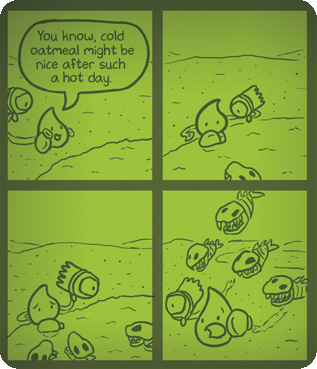
A page from my 2018 mini-comic Sad Land depicting Slime’s
disinterest in fighting
In the game’s demo, there are five sequences, each with their own
bespoke character interactions that explore the game’s themes in one
way or another. Over the past year, as I’ve been working on other
sequences in the demo, there has been one that has been hard for me
to crack. An elusive question mark on my to-do list. This sequence
centers around a character teaching Slime a war game, as he believes
all of the castle’s residents should be able to think strategically
in a combat scenario. It’s not actual combat but a simulation within
the game. Up until three months ago, this concept is all I had with
no real understanding of what it would look like or how it would
function in the finished product. Inspiration came, as it often
does, when I wasn’t looking for it.
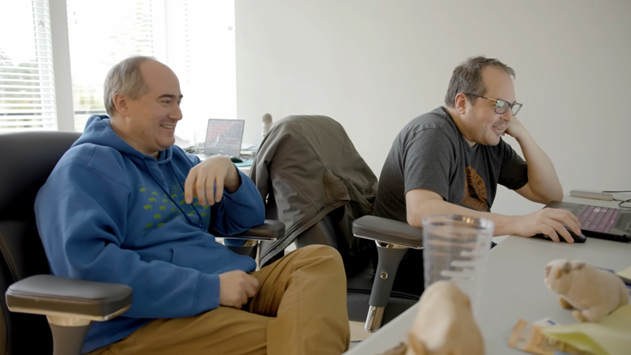
Brothers Tarn Adams (left) and Zach Adams (right) from No Clip’s
The Origins of Dwarf Fortress Documentary
One weeknight, after my wife went to bed, I stayed up (something I
do sometimes as someone who has a difficult time falling asleep and
who often leans into ‘revenge bedtime procrastination’) to watch a
documentary on the making of the game Dwarf Fortress by the
documentary team over at No Clip. Dwarf Fortress is a dense
simulation game with a text-based visual style developed and
maintained for nearly two decades by brothers Tarn and Zach Adams.
Their strange and notoriously esoteric game has you oversee a colony
of mining dwarves in a fantasy setting, exploring a procedurally
generated world and witnessing civilizations rise and fall over many
in-game years. I appreciate the complexity and the immersion of the
game but, based on my tastes and free time, find it to be more
compelling to read about than play. That said, the brothers
partnered with publisher Kitfox Games to add a more conventional
sprite-based user interface. This polished paid version was released
in 2022 and is available on Steam, while the classic version remains
available for free on Bay 12’s website.
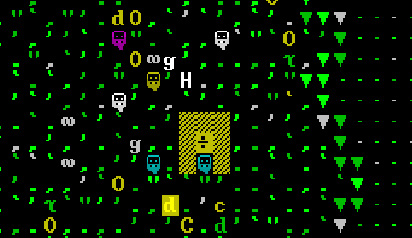
The original Dwarf Fortress in all its ASCII glory
The documentary is a fascinating watch overall but what really
grabbed my attention that night was the short history of developer
Strategic Simulation’s tactical RPGs embedded in the documentary’s
first episode. Strategic Simulations was an older software developer
of systems-driven simulation computer games that paved the way for
games like Dwarf Fortress. Instead of summarizing this myself, here
is the transcript of the introduction of this segment as narrated by
No Clip’s founder Danny O’Dwyer:
When roleplaying games exploded in the 1980s, it created several
branches which have continued to grow and splinter to this very
day. That’s how you have games like Baldur’s Gate 3 which lean
heavily on the character and storytelling aspects of Dungeon’s &
Dragons in a beautifully realized 3D world. And then games like
Bethesda RPGs which emerged from the 1st-person immersive subgenre
of titles like Ultima Underworld. While these two RPG branches
from the D&D video game tree are popular today, there is another
direction RPGs went in that you might be less familiar with. A
company in the Bay Area called Strategic Simulations or SSI had
been making strategy and tactical games since the late 70s. Most
of these were based around military combat and sport, but they
even had sci-fi and fantasy scenarios.
In the same way film noir emerged from the crime/mystery fiction
subgenre of pulp novels, so too did the analog table-top Dungeons
and Dragons spawn a long list of different styles of fantasy video
games with statistics and storylines. And before D&D there was
Chainmail, which was inspired by Siege of Bodenburg, which can be
traced back to older historical tactical wargames. But emerging from
these tactical fantasy simulation games of the SSI era, we get these
unique pillars of play that different developers experiment with in
all different ways. I also won’t delve into it here but the JRPG
(Japanese Role-Playing Game), also inspired by the Dungeons &
Dragons systems, is a large and thriving subgenre all its own,
notably resulting in the Pokémon games on the Game Boy, now the
highest-grossing media franchise of all time. Although, yes, you
could draw a straight line from the invention of chess in 6th
century India to that Pikachu plush you bought for your nephew, I
think this really just illustrates the curious nature of art,
creation, and inspiration over time.
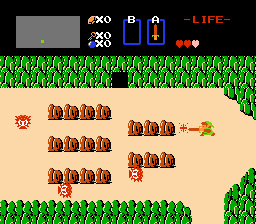
Where does The Legend of Zelda fit into this story? Here I’ll turn
to video game historian Jeremy Parish’s retrospective of the game
from his NES Works YouTube series:
1987, as you’re aware by this point, saw an explosion of games on
the NES that pushed the standards of console design away from
arcade-driven blips of action to meatier adventures that walked
the line between pure twitch action and something more involved
and cerebral. From original titles like Kid Icarus, Metroid, and
the Goonies II, to the wild revamp of arcade creations Rygar and
SECTION-Z, the thrust of this phase of the NES’s life somehow
became about exploring a very specific new form of gaming on the
system. Zelda then stands as the fulcrum of this pivot to
adventure, adapting the slow grindy intricacy of a PC roleplaying
game into the console-friendly journey whose hero interacted with
the world through the use of the NES’s two face buttons. It wasn’t
the first attempt to adapt the RPG to television gaming, but it
was undoubtedly the biggest, best and most successful ever in that
vein to this point.
Sad Land is my own take on this simplified and sanded-down version
of these older style fantasy RPGs, the inspiration I had upon seeing
these pre-90s PC SSI role playing games in action was that my war
game minigame could be a pastiche of this other style of RPG to
contrast with the game’s already established playstyle. In A
Christmas Story (1983), we join Ralphie as he imagines himself as a
“good guy with a gun” defending his helpless family from Black Bart
and his gang, the film temporarily shifting its style of cinematic
language to that of a pulpy Wild West serial.
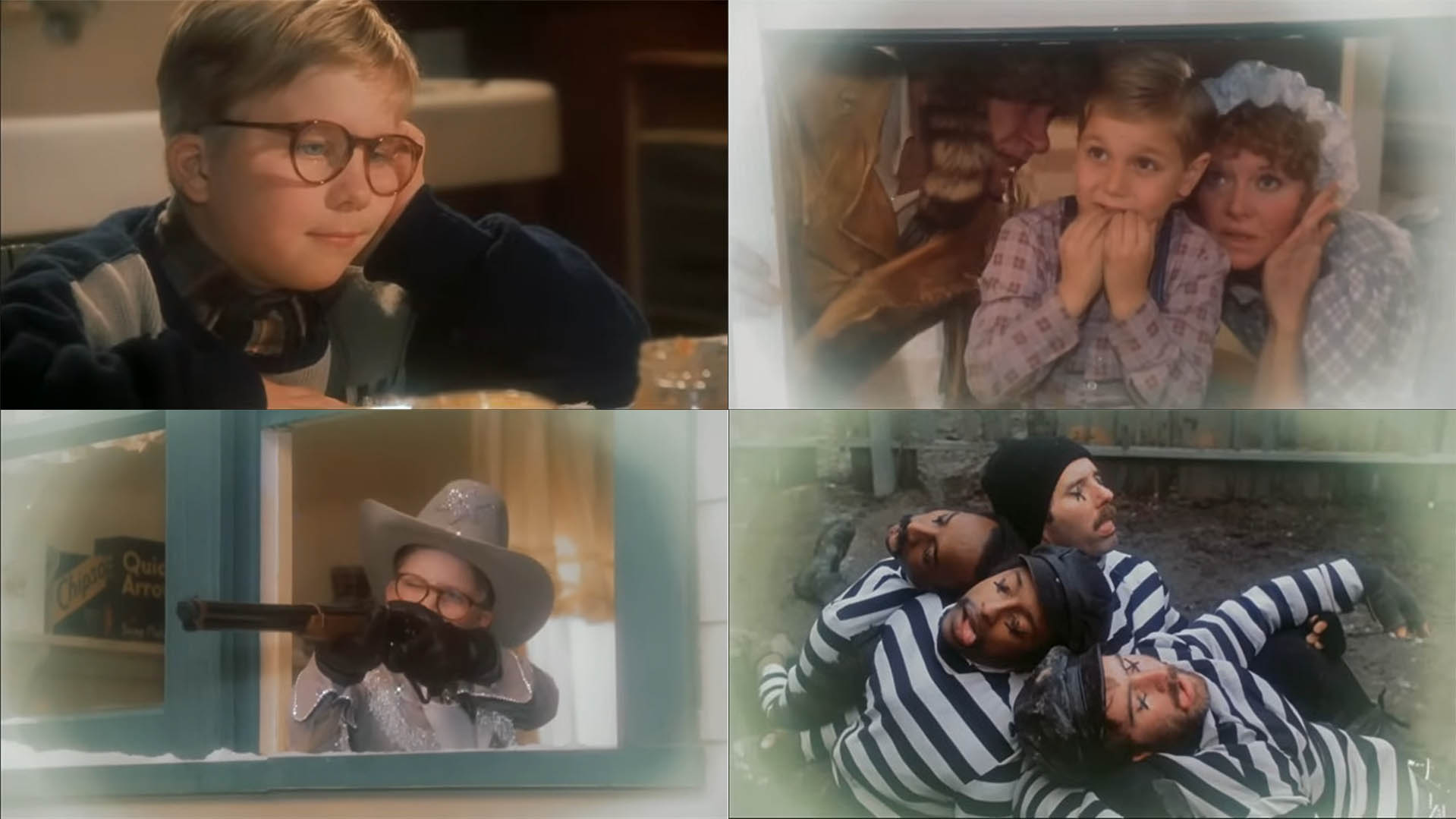
This type of temporary style shifting isn’t just a fun diversion for
the audience; the contrast conveys to us his desires and how his
imagined cowboy Ralphie persona is very different from the shy
powerless boy we’ve grown to know. We see the joy in his power
fantasy and get a glimpse of his understanding of the world by way
of the media he consumes. In Sad Land, the embedded war game will
allow the player to explore the characters and how they view their
outside world through the pastiche of a different style of game.
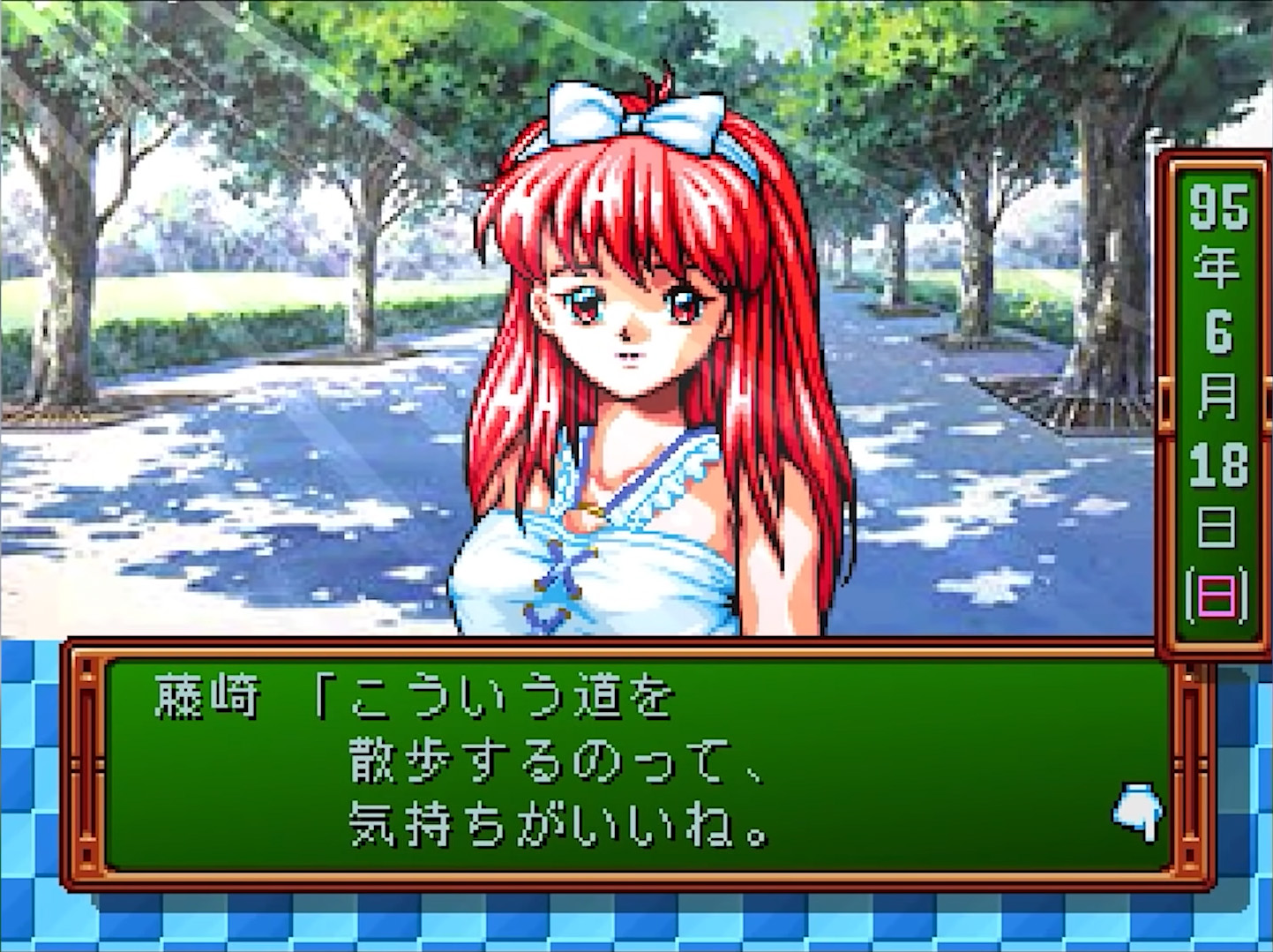
I’d also like to mention that this type of experimentation isn’t new
to video games. The kernel of this idea stems from the 1996
Japanese-exclusive dating simulation Tokimeki Memorial. The game
plays out over several years of high school as your character builds
his stats and builds his social standing. I first heard about it
from Tim Roger’s beautifully unhinged 6-hour deep dive on the game
and first played it after hearing an English-language translation
patch was available for the SNES version of the game. For the vast
majority of the game you are scheduling dates and selecting dialogue
options but once in a great while the game will shift into a silly
JRPG combat sequences where you as the hero have to fight off
attackers to protect your date.
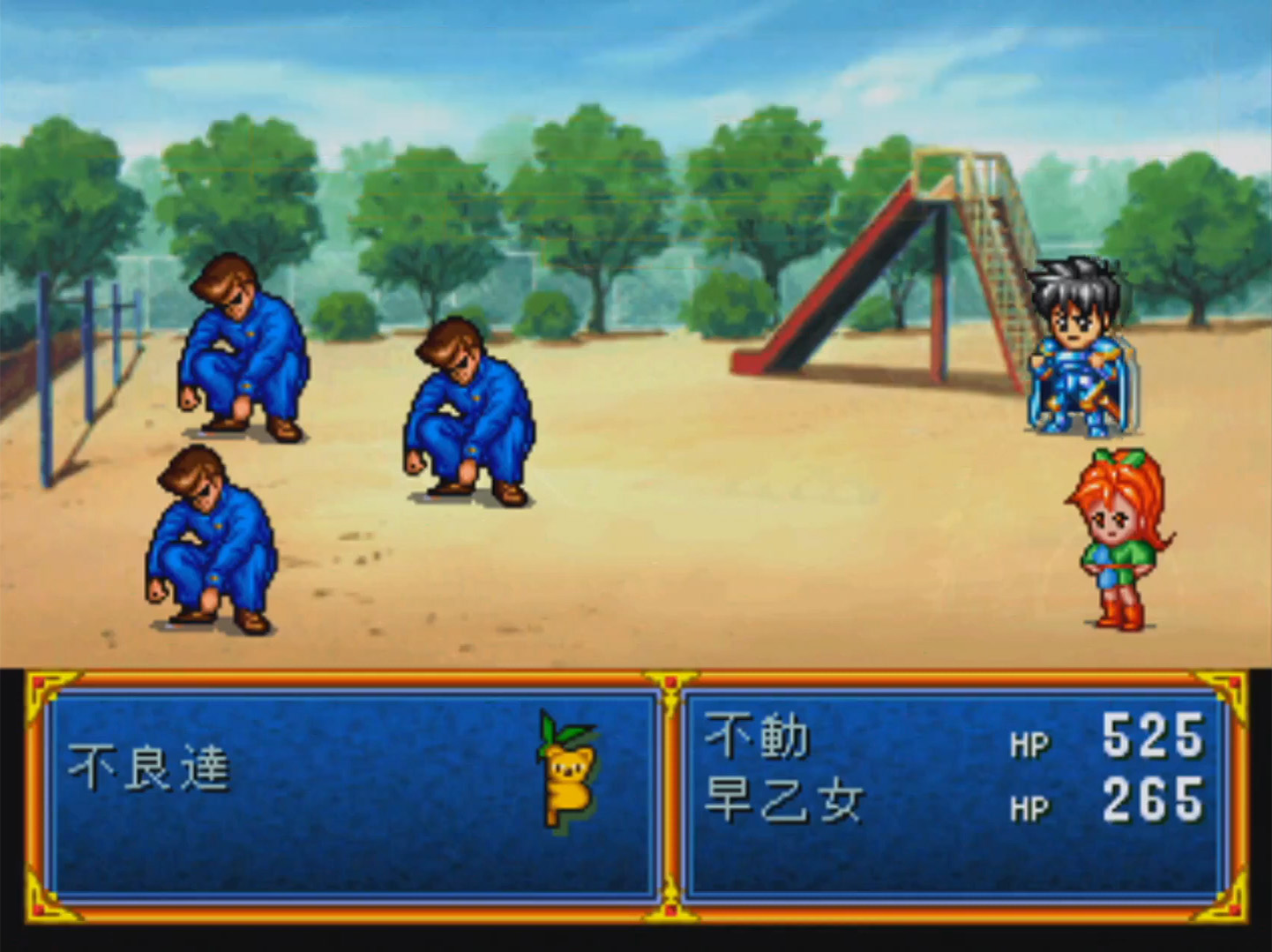
It’s delightful, it perfectly borrows the visual language of a
different type of game, and it adds a spontaneity to the game that
feels like anything could happen. We love to see it.
Here I’ll share some of what I have so far for this system as it currently appears in Sad Land’s working build. Using placeholder visuals borrowed from games of the era, I created a simple working map select screen that allows you to choose between three locations to attack. Upon selecting the area, you get a popup to either receive information about the area (INFO), move forward with an attack on that area (ACTION), or cancel out of the popup window (CANCEL).
Here I’ll share some of what I have so far for this system as it currently appears in Sad Land’s working build. Using placeholder visuals borrowed from games of the era, I created a simple working map select screen that allows you to choose between three locations to attack. Upon selecting the area, you get a popup to either receive information about the area (INFO), move forward with an attack on that area (ACTION), or cancel out of the popup window (CANCEL).
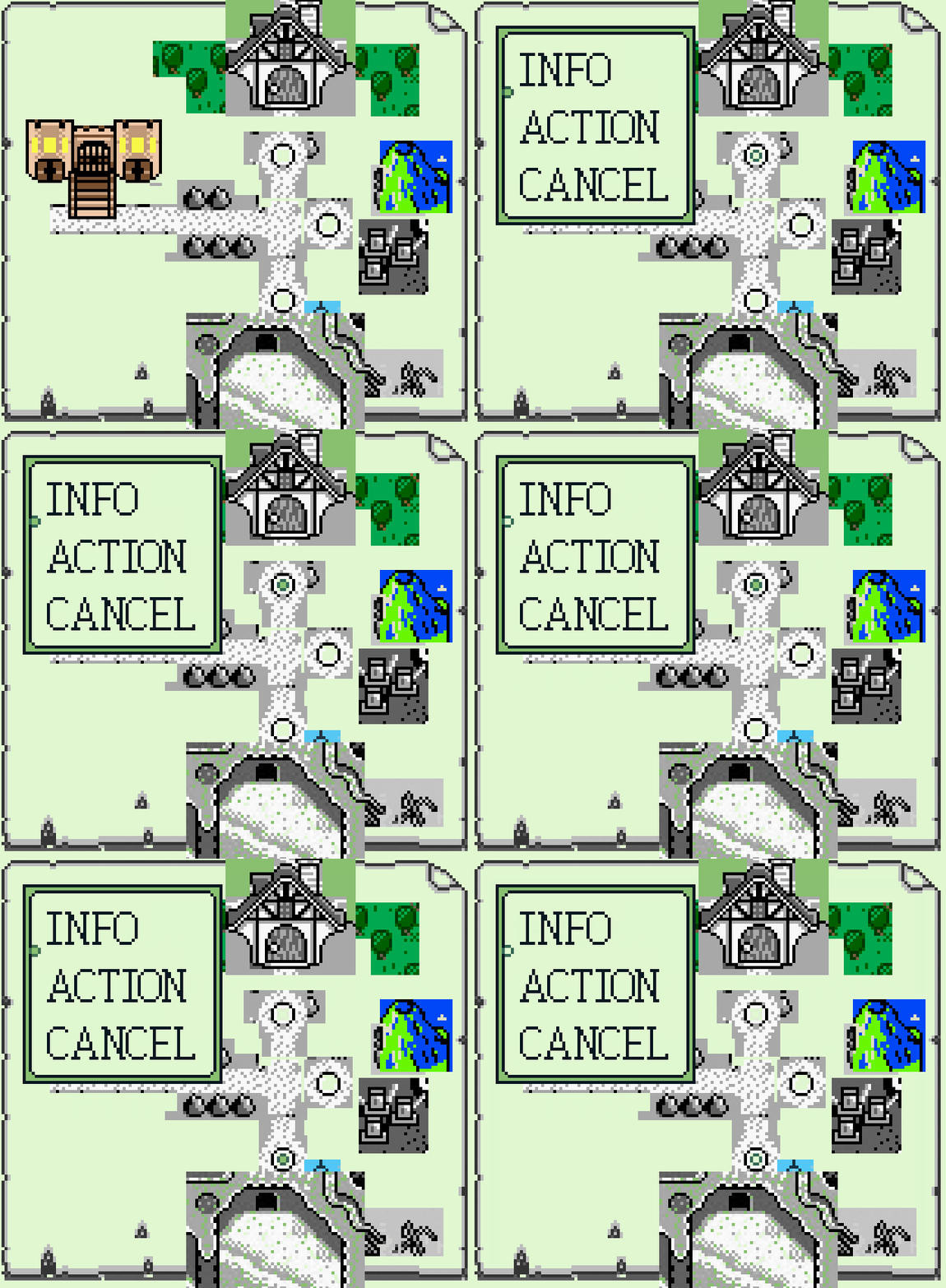
The text that appears when you select INFO and the combat
destination when you select and confirm ACTION change based on which
area you select on the map screen. That is to say, the logic and
functionality at this step is working. From here I’ll need to polish
and expand what I have.

The font here is one I purchased from game designer ChevyRay through
their itch.io page. The other font I use for Sad Land is one I
created myself, but I felt that I needed something with a different
flavor for this sequence. For a few months I was considering making
a specialized new font myself as every single asset in the game
(barring placeholder assets) has been designed by me. After giving
it some thought, I decided that adhering to a purist approach to
solo-development where every individual asset is hand crafted by me
is a fool’s errand. Chevy’s font Scoop was exactly what I pictured
in my head when imagining this wargame and I purchased it within
minutes of seeing it show up in my Bluesky timeline. It was actually
discovering this font that motivated me to start work on this leg of
demo.
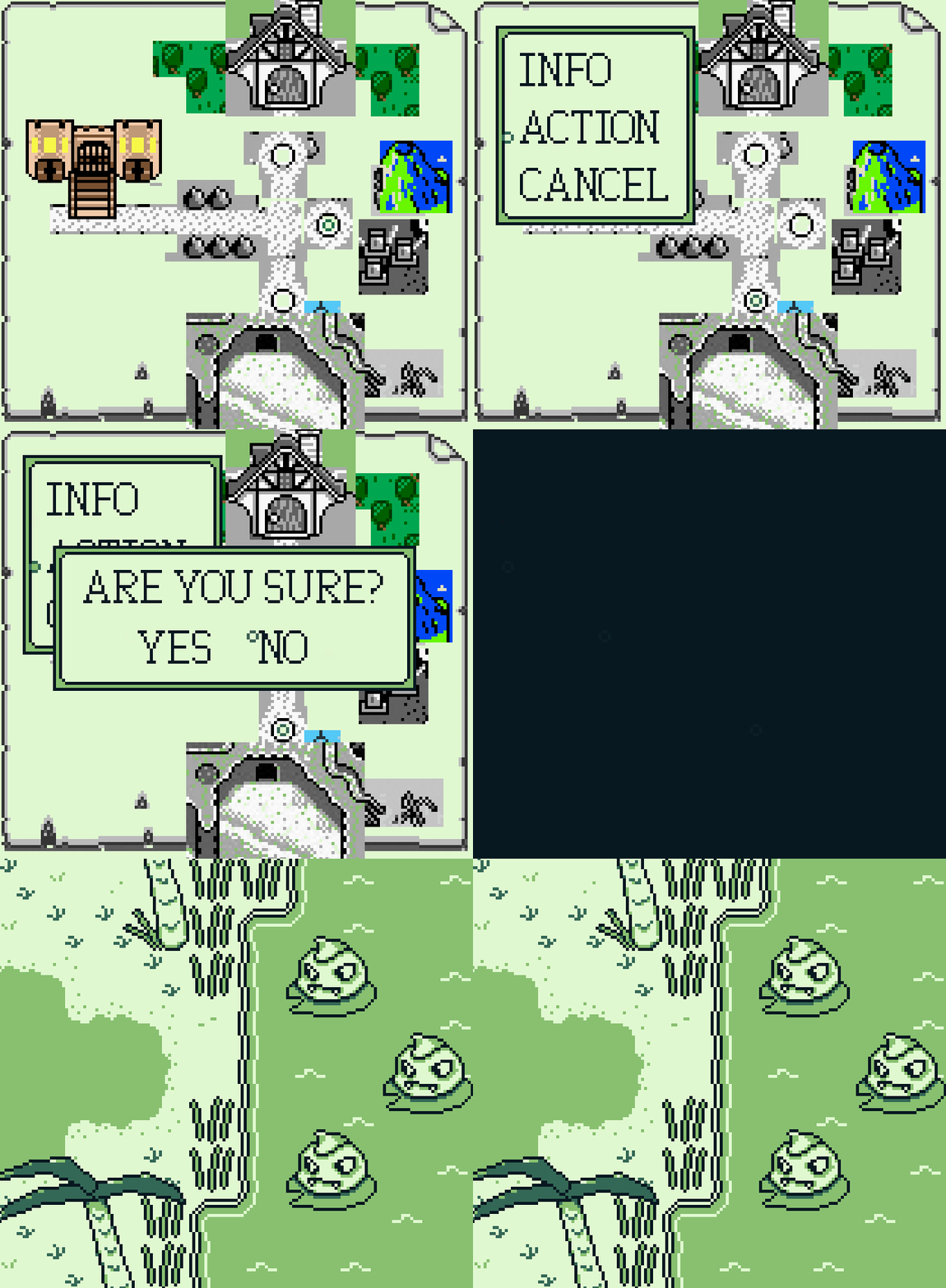
Anyway, I’ll be creating simple combat encounters as a subtle way to
teach the player about creatures in the world and locations you’ll
eventually explore in the main game.
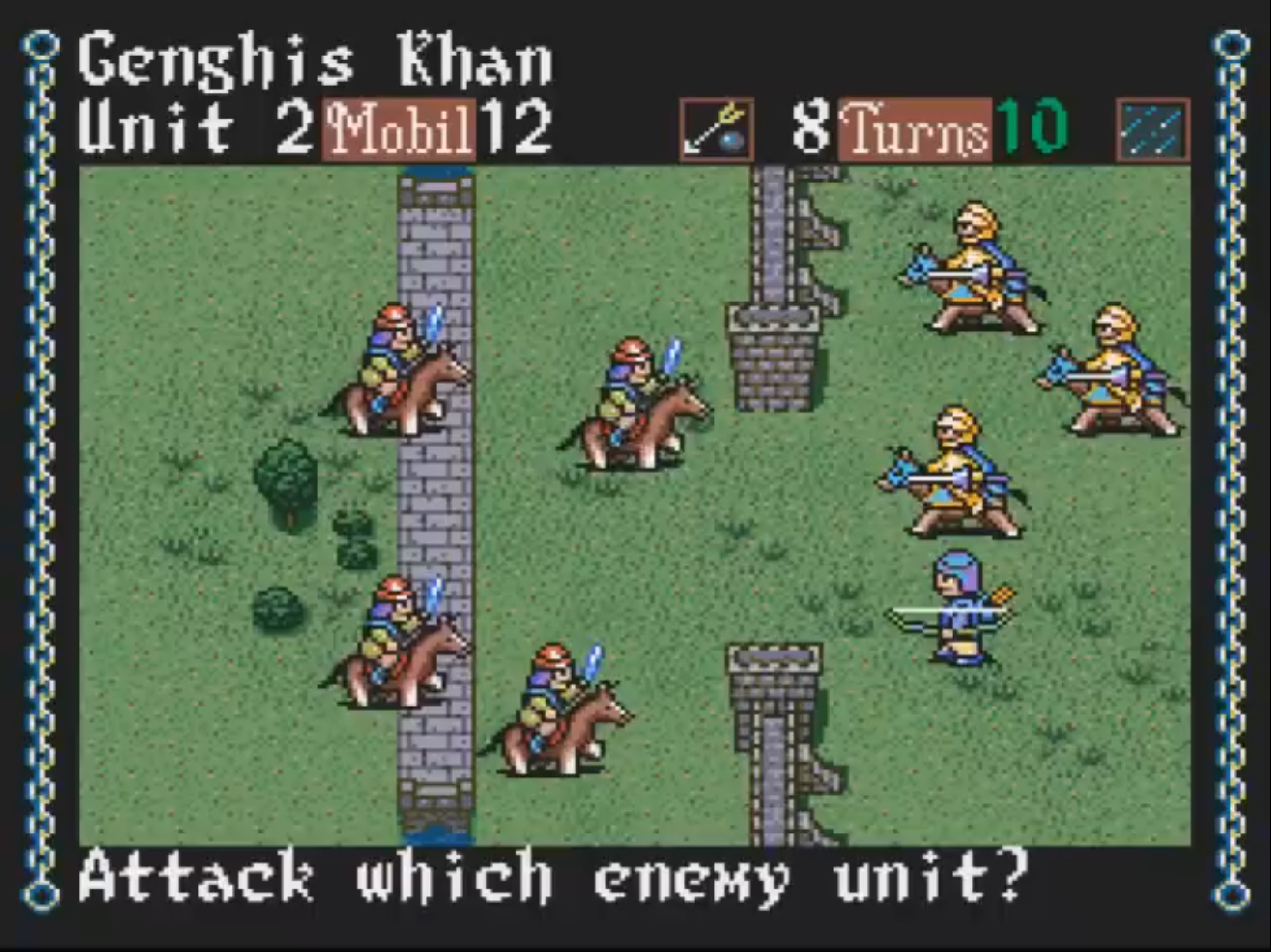
A battle scenario from Genghis Khan II: Clan of the Gray Wolf
(SNES)
I used the SSI PC games as a jumping off point for research and came
across the war simulation game Genghis Khan II for the SNES, which
offers visual inspiration to draw from that better suits the cute
pixel-art style of Sad Land.
We’re half-way though 2025 and, looking back on the last six months, I’ve taken several big steps toward building a demo that I can be proud of. I hope you’ve enjoyed this bit of truncated gaming history. I had other plans for this newsletter but sometimes inspiration takes you in strange directions.
Sincerely,
Neil
We’re half-way though 2025 and, looking back on the last six months, I’ve taken several big steps toward building a demo that I can be proud of. I hope you’ve enjoyed this bit of truncated gaming history. I had other plans for this newsletter but sometimes inspiration takes you in strange directions.
Sincerely,
Neil