Originally published on December 31, 2025
This month has been a flurry of preparation, celebration, and cramming as much as possible into 31 days. We hosted Christmas for over a dozen people in our apartment this year, and between cleaning, shopping, and several medical emergencies (Everyone is okay!), I’ve never been more relieved to drift into a new year. Despite getting plenty of time off from my day job, I had little room for game development, but I do believe thinking about a project in the shower or on a long drive can be just as fruitful as a coding session.
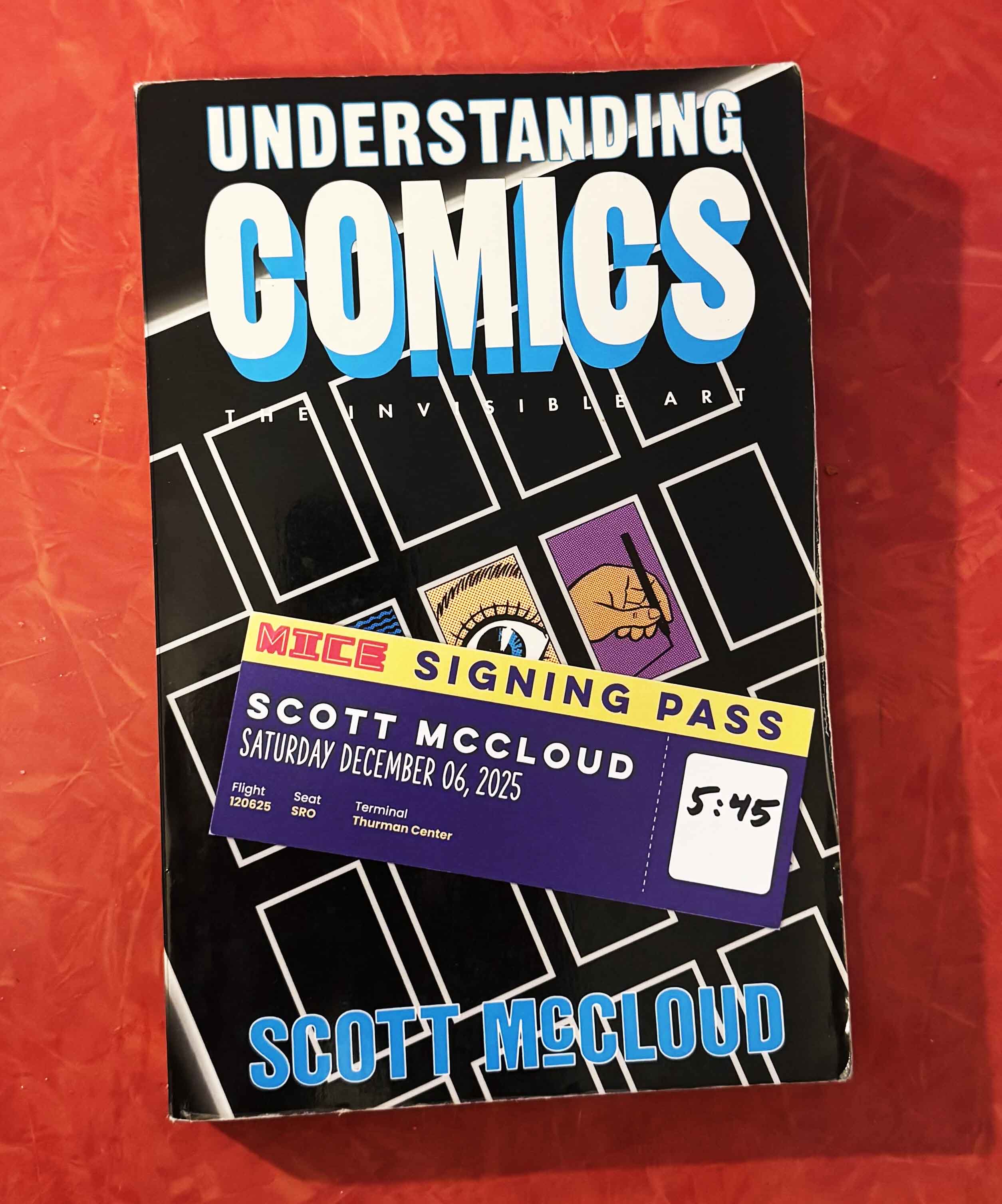
I started the month off by volunteering at the Massachusetts Independent Comic Expo (MICE) at Boston University. Before diving into video game development, my main hobby was writing and drawing my own comics. It was the way I found my voice as a writer, found my style as an illustrator, and found confidence to share my art with strangers. The first people I met in Boston were in the Boston comics community, and nearly a dozen members of that community attended my wedding in 2023. Whether I am tabling at MICE or volunteering my time, the show will always hold a very special place in my heart. This year was a particularly memorable year as visual communications expert and cartoonist Scott McCloud was one of the special guests.
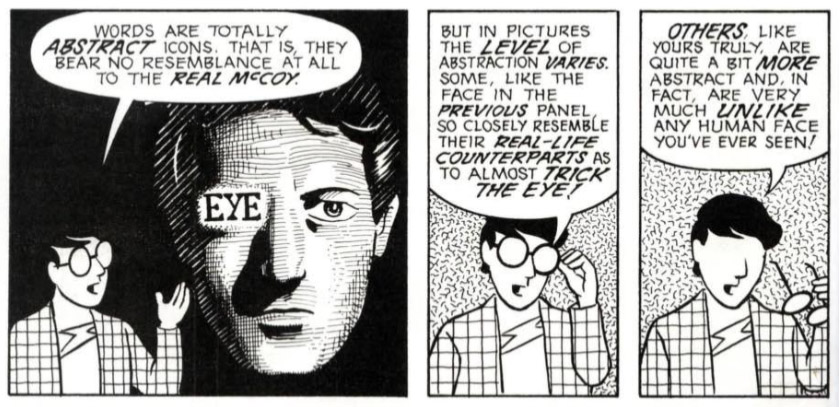
An excerpt from Understanding Comics: The Invisible Art
I first discovered McCloud’s book Understanding Comics: The Invisible Art in college, back when I would scour UMass Amherst’s W.E.B. Du Bois Library for comics and graphic novels. The book explores comics using comics as a medium, covering the topics of history, iconography, symbolism, psychology, and temporality, just to name a few. It’s a masterclass in visual literacy and, despite being published over thirty years ago, it’s more relevant now than ever as we find ourselves living in a time bombarded with screens and constant visual stimuli.
One concept from Understanding Comics that has fascinated me since reading the book over a decade ago is the theory of universality in simplicity…
One concept from Understanding Comics that has fascinated me since reading the book over a decade ago is the theory of universality in simplicity…
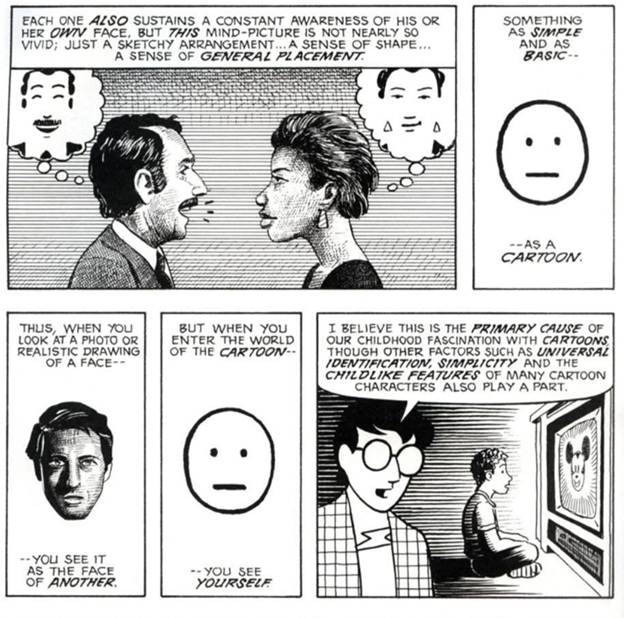
Although my cartooning style has always leaned toward minimalism, understanding this concept and knowing how I can use it in my work has proven to be a valuable tool in my toolbox.

To me, a slime creature has always felt like the right protagonist for Sad Land and the story I’m telling with it. Slime is not only a weak and vulnerable creature, but the design is about as simple as it gets. Two eyes (and sometimes a mouth), a round body, and a point at the top for visual flare. Also, coincidentally, the shape of this type of slime creature (inspired by Akira Toriyama’s slime from Dragon Quest) is a teardrop, a symbolically perfect match for Sad Land.
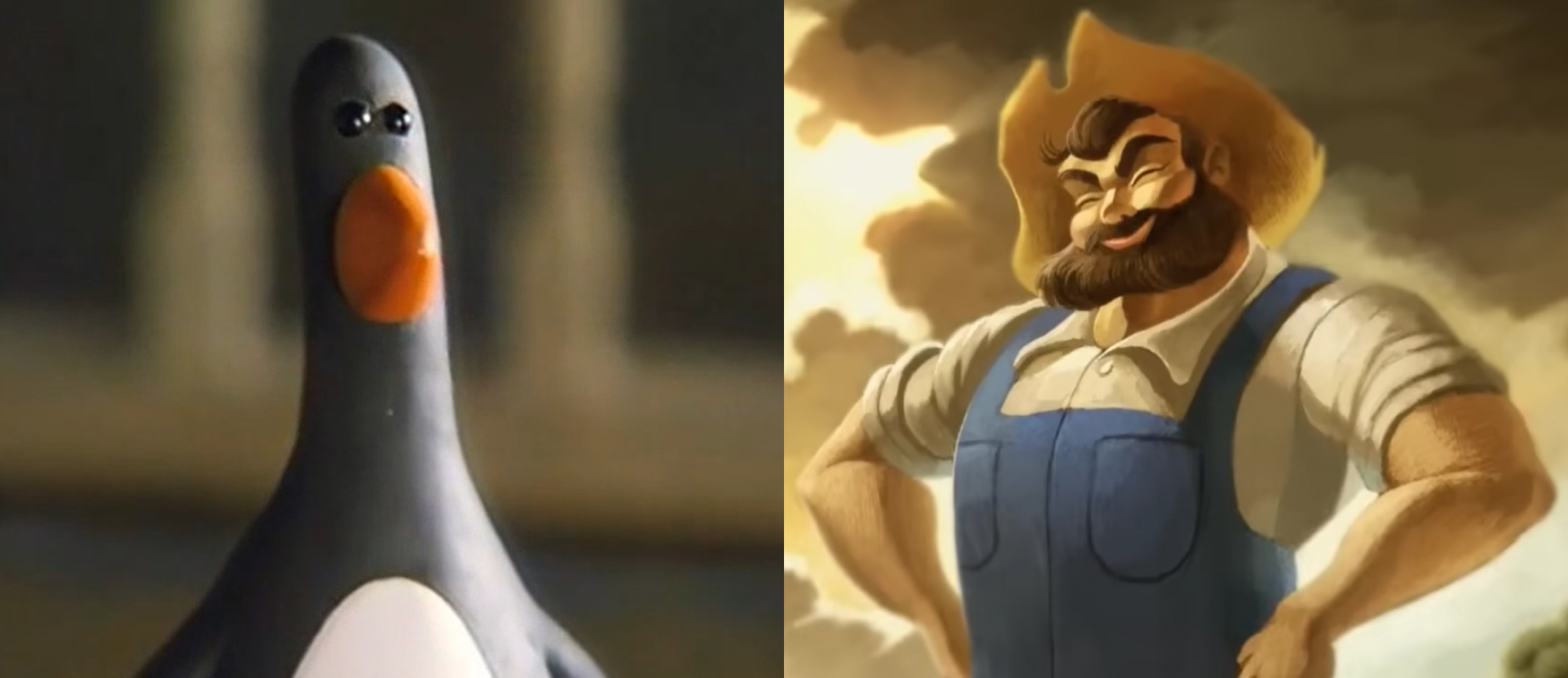
And as a quick aside, I’d like to point out some interesting counterexamples of this concept. Feather’s McGraw (left) the beady-eyes avian psychopath from the Wallace and Gromit series has a minimalist design that reads as domineering and unsetting within the context of the films. Farmer Jim (right) from the recent The Day the Earth Blew Up: A Looney Tunes Movie is comically detailed compared to every other character design in the film but despite this, he has a warm, paternal presence (if not also absurd).
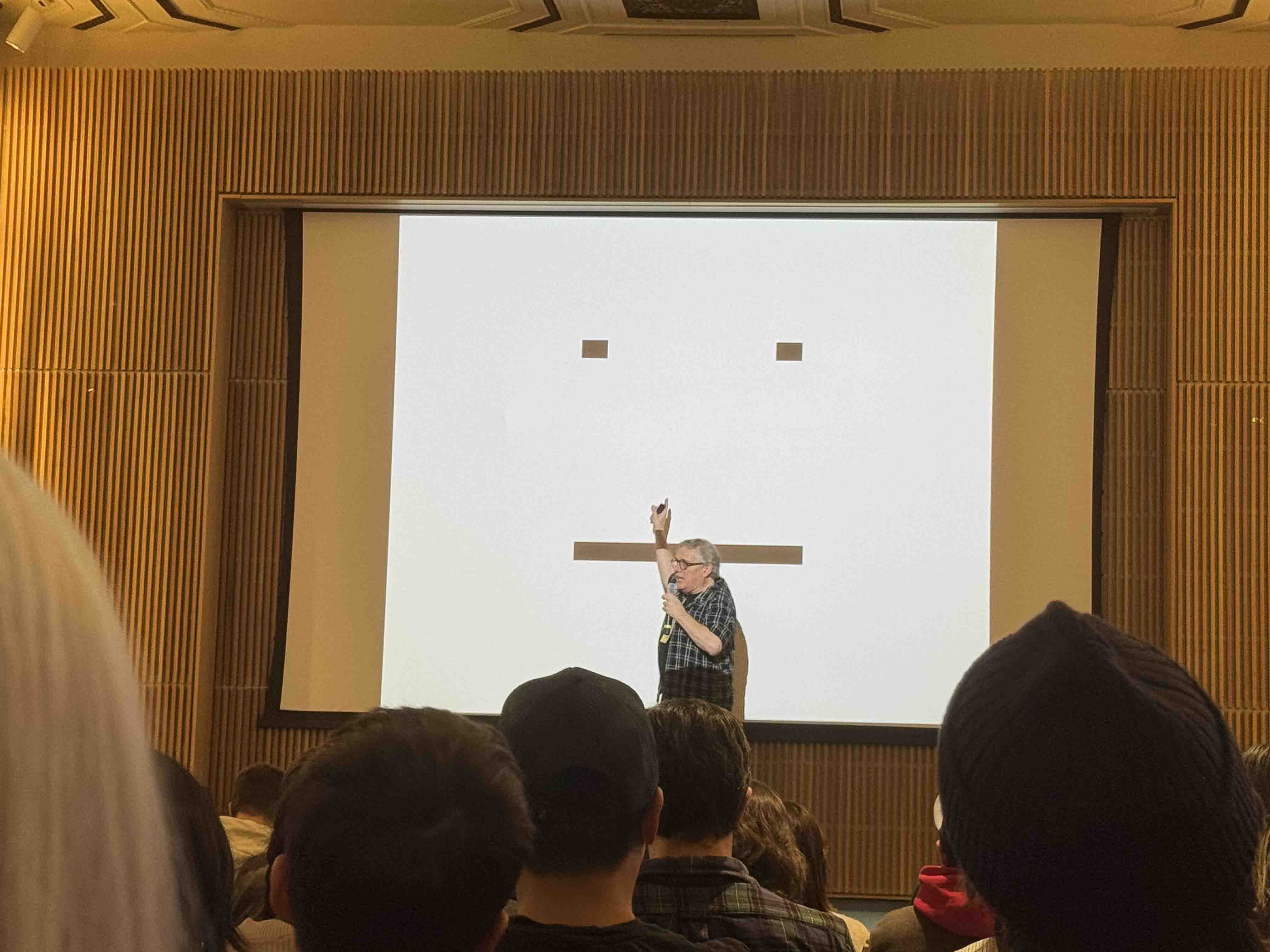
At the end of the second day of MICE, McCloud gave a presentation to a packed crowd covering his history with comics, his new book with Raina Telgemeier (The Cartoonist Club), as well as some other concepts found in Understanding Comics. If you’re interested, McCloud has a TED Talk from 2009 and he was featured on an episode of the 99 Percent Invisible Podcast (Speech Bubbles: Understanding Comics with Scott McCloud).
After the show ended, I was part of a small group that attended an unofficial MICE afterparty and was able to have dinner with Scott, which was a cool opportunity. He is a very kind and thoughtful guy.
The experience reminded me that the last comic I produced back in 2023 was deeply inspired by McCloud’s work. My comic So You Want To Make An Indie Game But Don’t Know Where To Start features my character Patrick guiding Jeremy Thomas, the small purple duck you may recognize from the top of every one of these newsletters, through the process of making his first video game. Throughout writing the comic, I looked to Understanding Comics for inspiration, balancing comedy, information, and experimentation.
After the show ended, I was part of a small group that attended an unofficial MICE afterparty and was able to have dinner with Scott, which was a cool opportunity. He is a very kind and thoughtful guy.
The experience reminded me that the last comic I produced back in 2023 was deeply inspired by McCloud’s work. My comic So You Want To Make An Indie Game But Don’t Know Where To Start features my character Patrick guiding Jeremy Thomas, the small purple duck you may recognize from the top of every one of these newsletters, through the process of making his first video game. Throughout writing the comic, I looked to Understanding Comics for inspiration, balancing comedy, information, and experimentation.
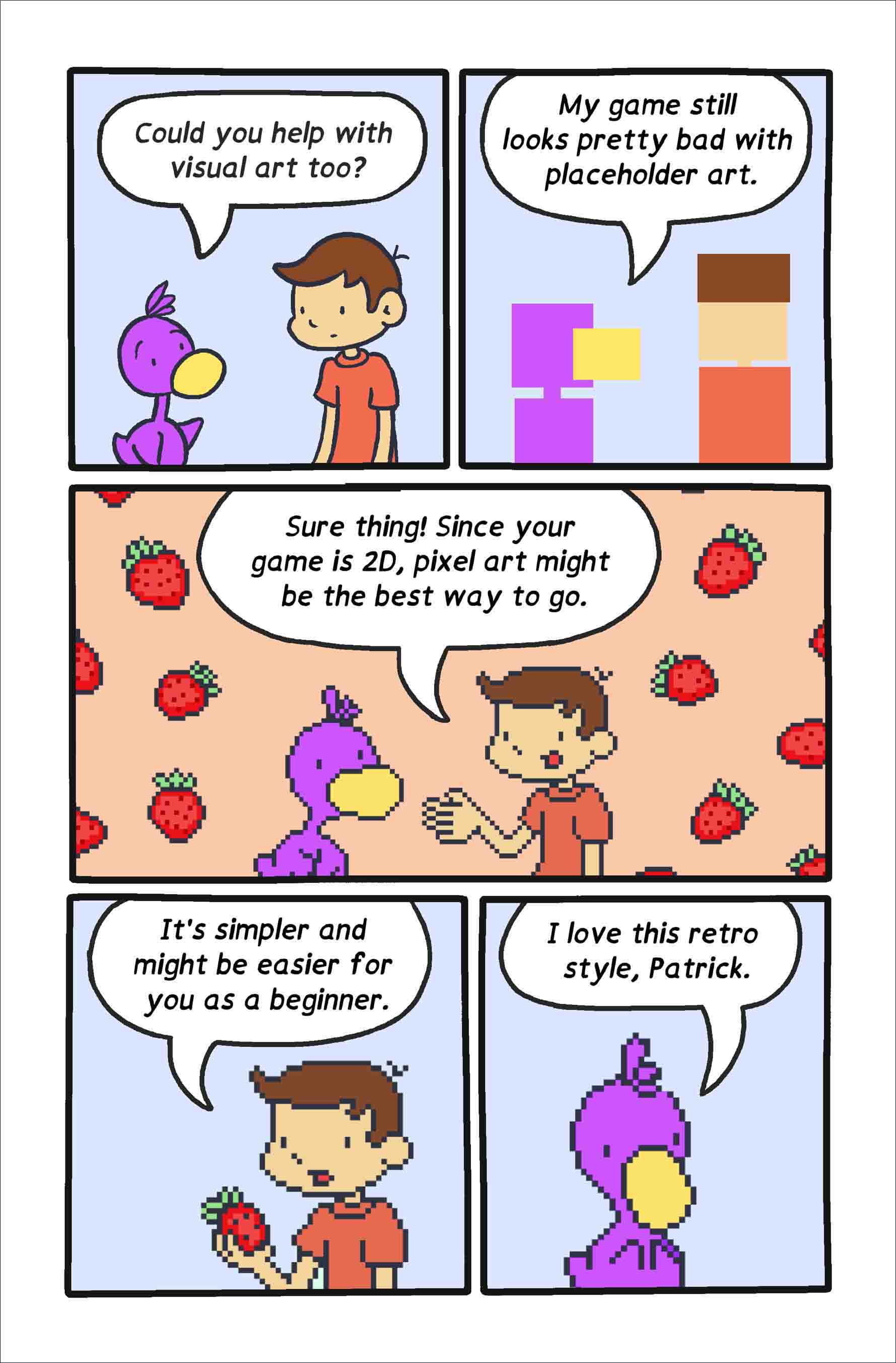
I’m still very proud of the comic and volunteering at MICE got me thinking about making comics again. Writing for Jeremy Thomas is always a joy.
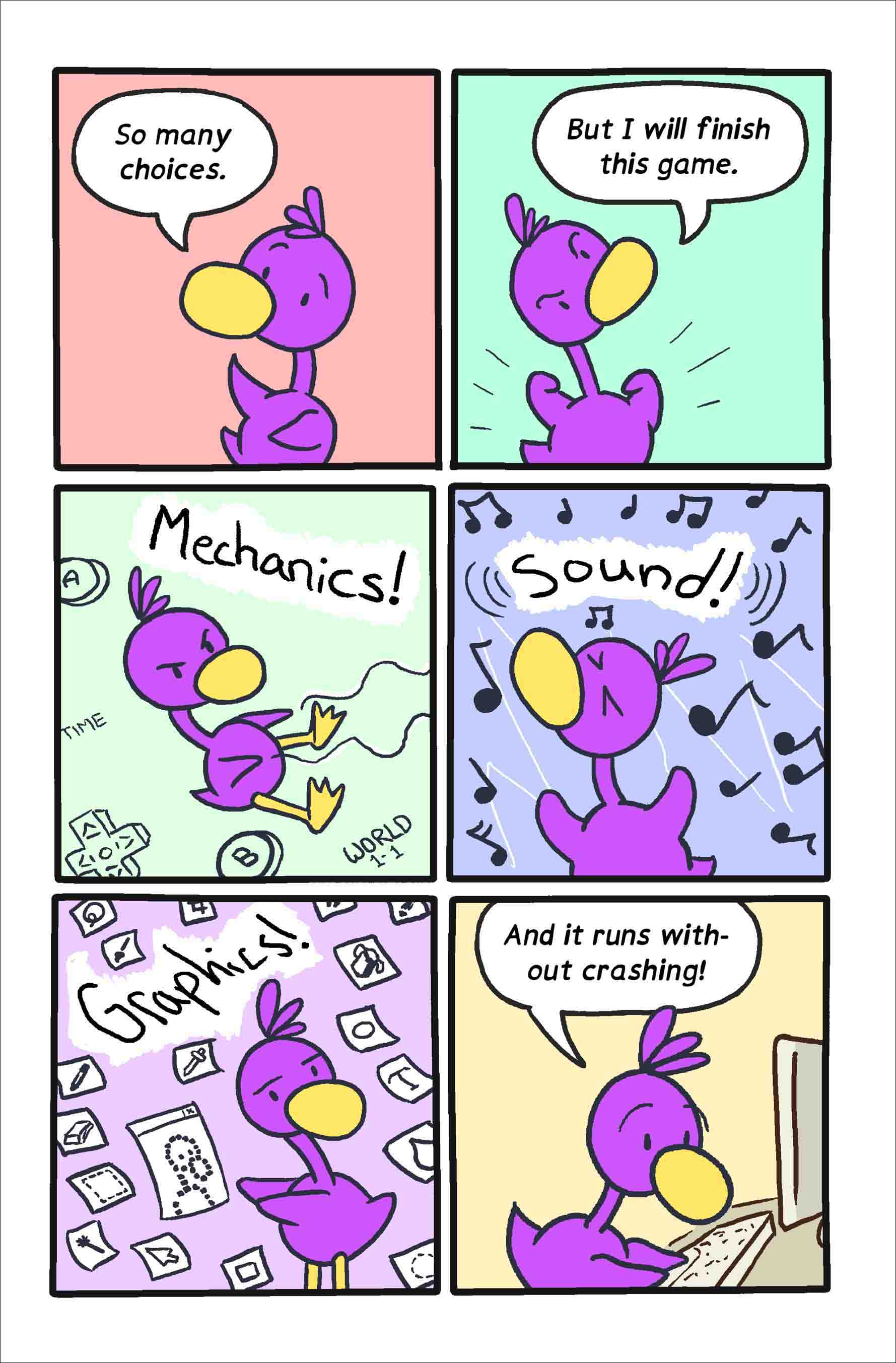
You can find the physical comic for sale at Radiator Comics. I’ve also made it available on my website to read for free as a sort of belated Christmas gift to you all, the readers of my newsletter. You can also find my annual holiday card below!
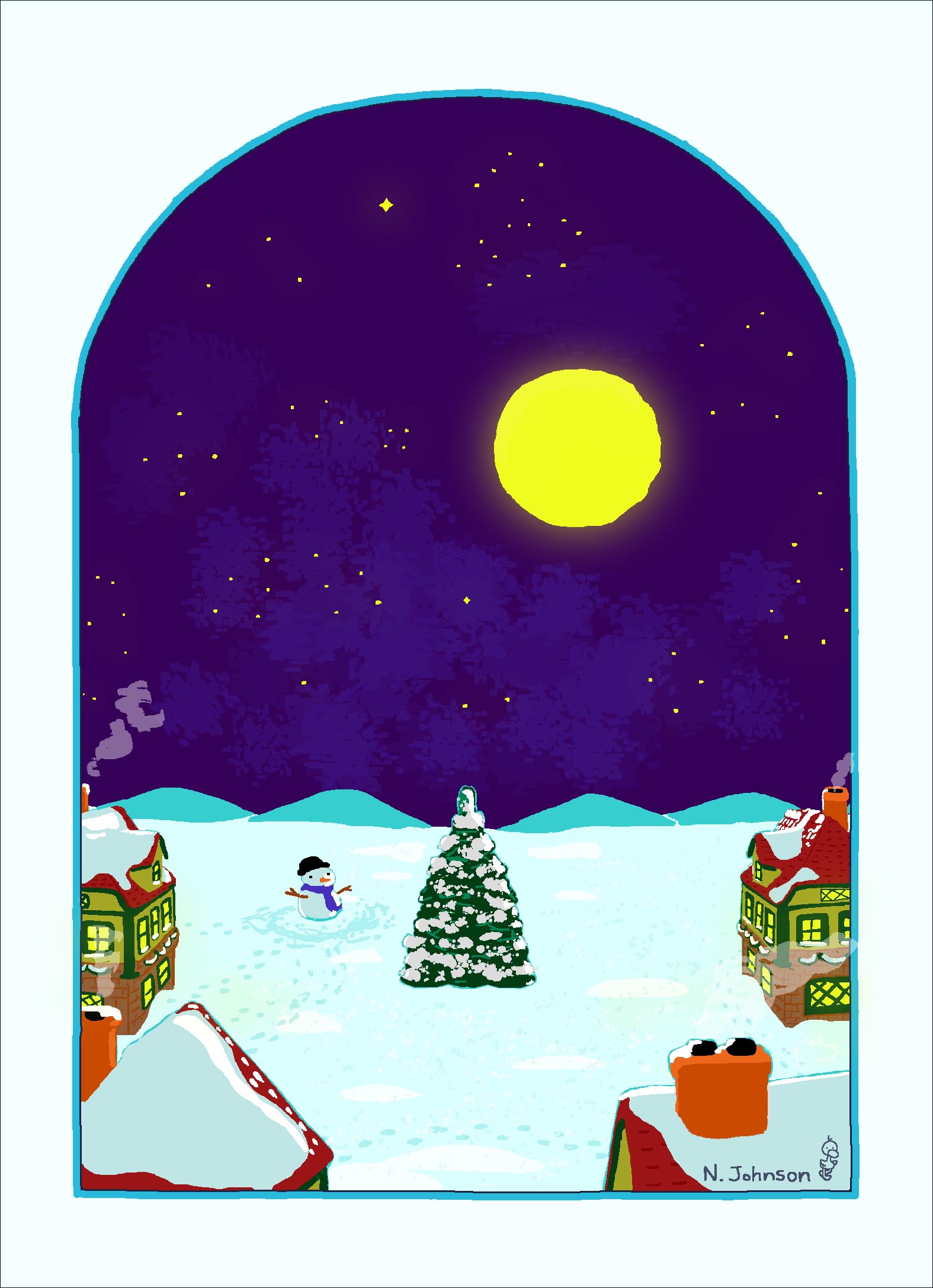
Best wishes and Happy New Year!
Sincerely,
Neil
Sincerely,
Neil